Welcome to Aaroham Chest & Allergy Center, under the expert care of Dr. D.C. Gupta (Chest Specialist & Allergy Specialist). Our consultation hours are from 05:30 PM to 08:00 PM.
Welcome to Aaroham Chest & Allergy Center, under the expert care of Dr. D.C. Gupta (Chest Specialist & Allergy Specialist). Our consultation hours are from 05:30 PM to 08:00 PM.

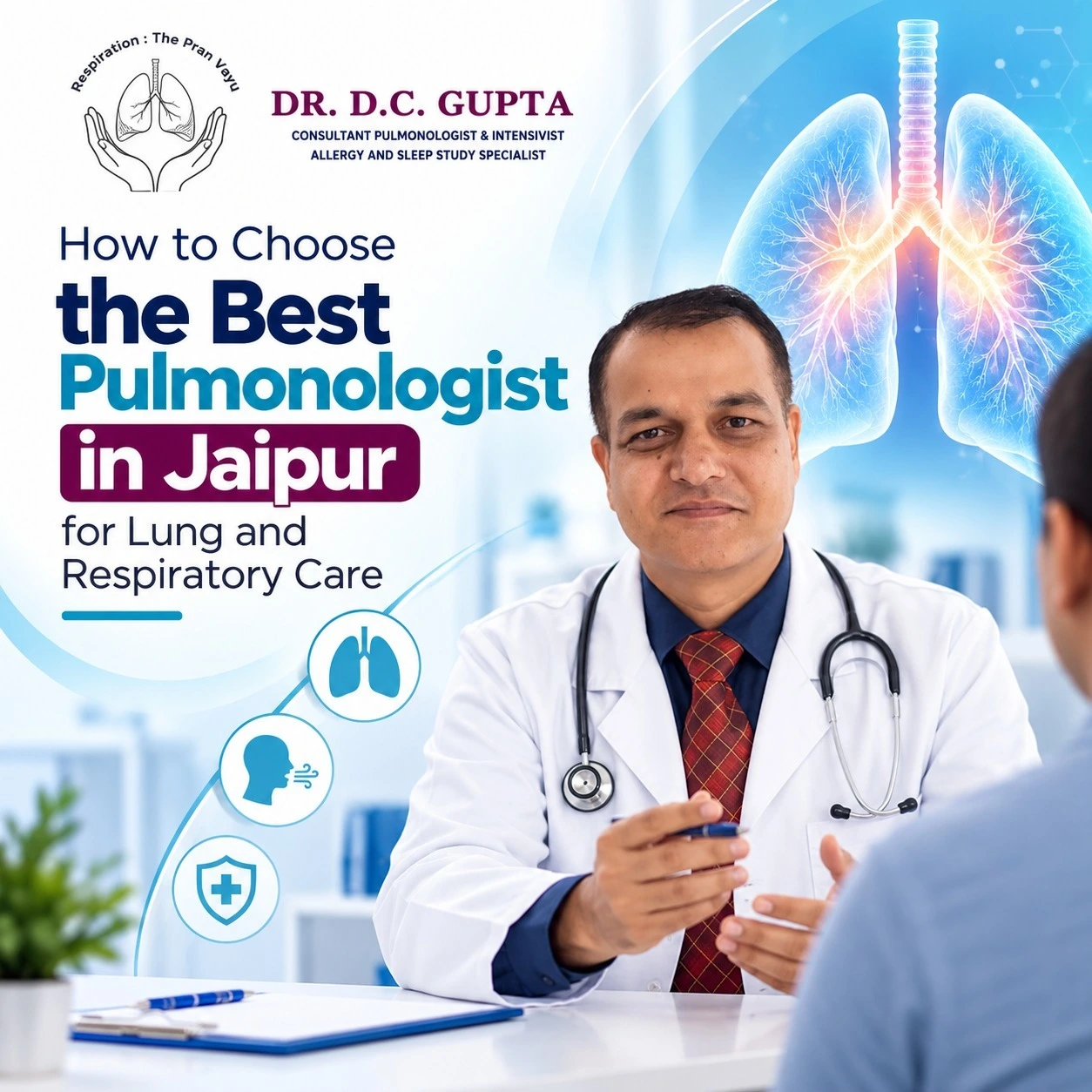
Adequate breathing is very important for health and activity. But continuous coughing, difficulty in breathing, wheezing, chest pain, and frequent respiratory infection can limit your daily activities. Consulting with a proper doctor can provide the cause and help in taking proper treatment.
When searching for the Best Pulmonologist in Jaipur, there are many things to consider including the qualification of the doctor, his experience, the availability of diagnostic facilities, and communication between doctor and patient. Dr. DC Gupta of Aaroham Chest & Allergy Centre in Jaipur offers treatment for your respiratory and allergy problems.
A pulmonologist is a doctor who helps diagnose and treat diseases of the lung and respiratory system. If you are looking for Best Pulmonologist in Jaipur, you should consult someone who has the appropriate qualification and experience because this will ensure that you get the right treatment for your disease, whether it is asthma, bronchitis, or even a lung disease.
A proper respiratory diagnosis might involve an examination, history, pulmonary function test, or any other investigation, depending on your symptoms. Early diagnosis can help avoid further complications and ensure that you get the proper treatment in time.
A lung specialist may help evaluate and manage several respiratory conditions, including:
The appropriate treatment depends on the diagnosis, severity of symptoms, and the patient's overall health.
Selection of a specialist should go beyond simply browsing through the internet for information. There are some key points that you need to consider before booking an appointment.
Diagnostic facilities at disposal. Some of the facilities that can be useful depending on the clinical situation include pulmonary function tests, allergy tests, imaging, and bronchoscopy.
Search for proper communication. A successful consultation will make it easier for you to know about potential reasons, possible tests, treatment approaches, and necessary follow-up measures.
Think about continuity of care. Long-term respiratory issues usually require some monitoring and adjustment of treatments. Try to find out more about follow-ups and testing results reviews.
If you want to pick the Best Pulmonologist in Jaipur, consider these criteria when making your choice.
The interventional pulmonologist is trained to perform special procedures for the investigation or treatment of some particular lung or airway diseases.
For example, there is the bronchoscopy, during which a narrow camera-tipped tube is inserted into the airway in order to visualize it. This procedure may assist in investigating infections, abnormal lung findings, blood in the lungs, and other issues.
Pleural interventions, such as aspiration or biopsy of the pleura (the outer lining of the lungs), are among possible interventions.
Advanced airway procedures are indicated only in specific conditions, when they are necessary and safe. If you are in search of an Interventional Pulmonologist in Jaipur, you need to find out if the physician possesses this skill and if the procedure is justified by your health condition. Not all patients with respiratory disorders need such intervention.
Tuberculosis is caused by the bacterium Mycobacterium tuberculosis. While TB usually infects the lungs, it can also attack other body organs. This disease is called Extra Pulmonary Tuberculosis (EPTB). It is vital to know about its different symptoms since they might be different from those of TB in the lungs.
What Parts of the Body Can Extra Pulmonary TB Affect?
EPTB can affect several organs and tissues:
Common Symptoms of Extra Pulmonary TB
The following are some possible symptoms: persistent fever, night sweats, unexplained weight loss, tiredness, swollen lymph nodes, long-term bone pain, and stomach pain. Additional symptoms will depend on the organ that is affected.
They can also be experienced with other diseases. However, symptoms alone do not indicate TB.
The diagnosis will depend on the site that is suspected to be infected. A physician may suggest a physical examination, imaging, analysis of the sample of fluid or tissue, molecular techniques like GeneXpert, cultures, or histopathology.
However, a test performed using the sputum sample may not be enough for a TB diagnosis in case of TB that is located out of the lungs.
Treatment and the Importance of Early Medical Evaluation
Extra Pulmonary TB requires a physician-guided treatment protocol through anti-tuberculosis medication. Treatment protocols and duration will vary according to the body part affected, drug sensitivity, and other clinical considerations.
The patient needs to adhere to the treatment and should not stop or change medications without consultation from a doctor. When the brain or spine is suspected of TB infection, immediate consultation is advised.
Consider a respiratory consultation if you experience:
Seek urgent medical attention for severe breathing difficulty, significant coughing of blood, confusion, or other severe symptoms. Do not delay emergency care while waiting for a routine appointment.
Respiratory Care with Dr. DC Gupta in Jaipur
Dr. DC Gupta is a pulmonologist, chest physician, and allergy specialist associated with Aaroham Chest & Allergy Center in Jaipur. His areas of respiratory care include asthma, COPD, respiratory allergies, pulmonary function testing, bronchoscopy, pleural diseases, and other lung-related conditions.
Patients seeking respiratory care can explore the relevant services and learn more about Dr. DC Gupta's approach to evaluating and managing lung and breathing problems.
Selecting the right pulmonologist is essential to ensure that the best possible treatment is sought in order to lead a healthy life. Whether it is persistent cough and difficulty in breathing or more complicated issues like COPD and Extra Pulmonary Tuberculosis, early diagnosis and treatment can really make a lot of difference.
If you want to find the Best Pulmonologist in Jaipur or an Interventional Pulmonologist in Jaipur, you need to take into consideration several factors including qualification, experience, diagnostic facility, and personalized treatment. Dr. DC Gupta offers respiratory and allergy services at Aaroham Chest & Allergy Center, Jaipur.
Check the doctor's relevant qualifications, experience with your condition, diagnostic facilities, communication, follow-up arrangements, and accessibility.
A pulmonologist diagnoses and manages respiratory diseases. An interventional pulmonologist has additional training in specialised procedures for selected lung and airway conditions.
Persistent cough, wheezing, breathlessness, recurring chest infections, and unexplained respiratory symptoms warrant medical assessment.
Yes. Extra Pulmonary TB can affect lymph nodes, bones, the spine, abdomen, brain, kidneys, and other sites.
Depending on the affected organ, diagnosis may involve imaging, tissue or fluid sampling, molecular tests, culture, and other laboratory investigations.
Arrange a consultation for persistent or recurring symptoms. Severe breathing difficulty, significant coughing of blood, or confusion requires urgent medical care.
 A Complete Guide to Allergy Testing and Treatment with the Best Allergy Doctor in Jaipur
How to Choose the Best Pulmonologist in Jaipur for Lung and Respiratory Care
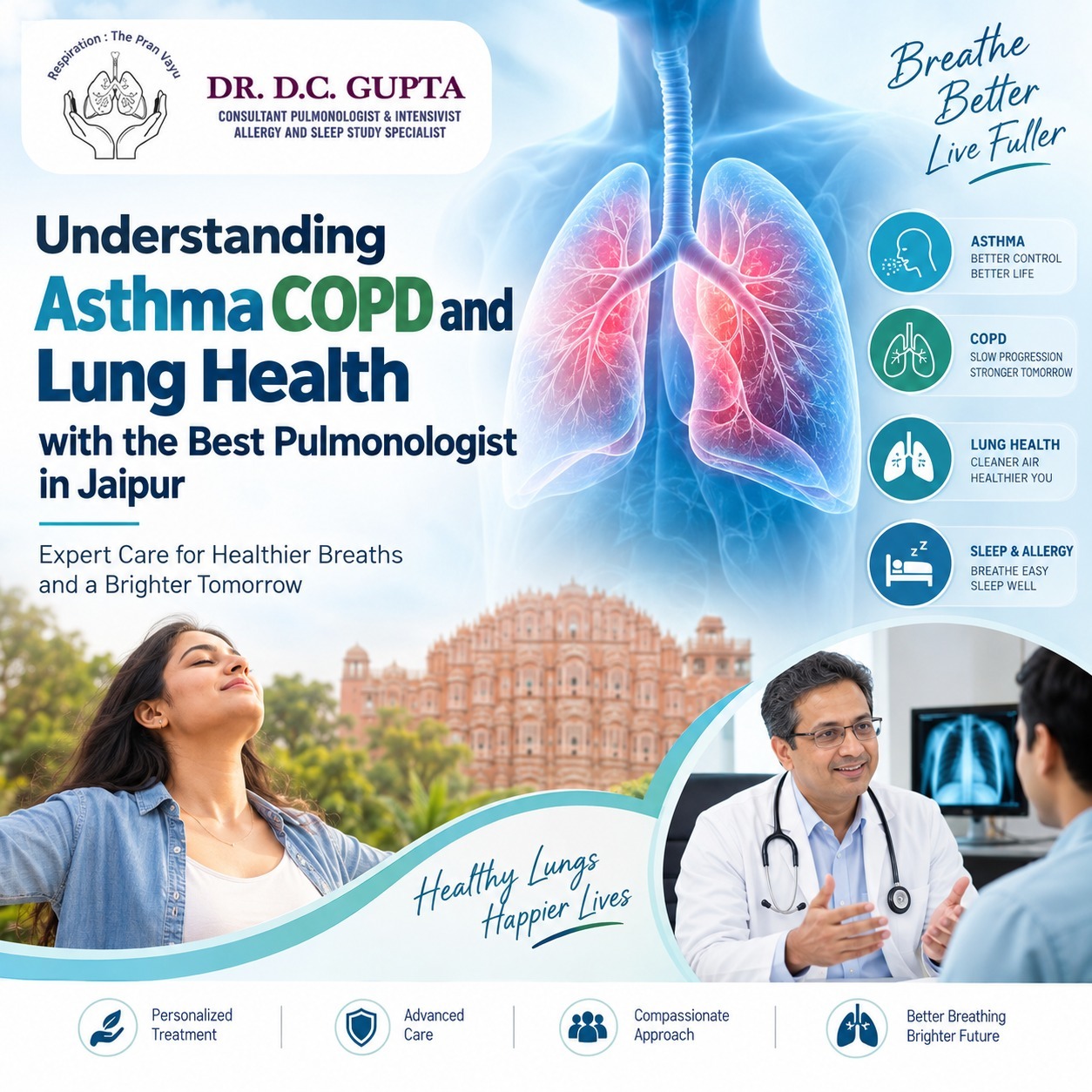 Understanding Asthma COPD and Lung Health with the Best Pulmonologist in Jaipur
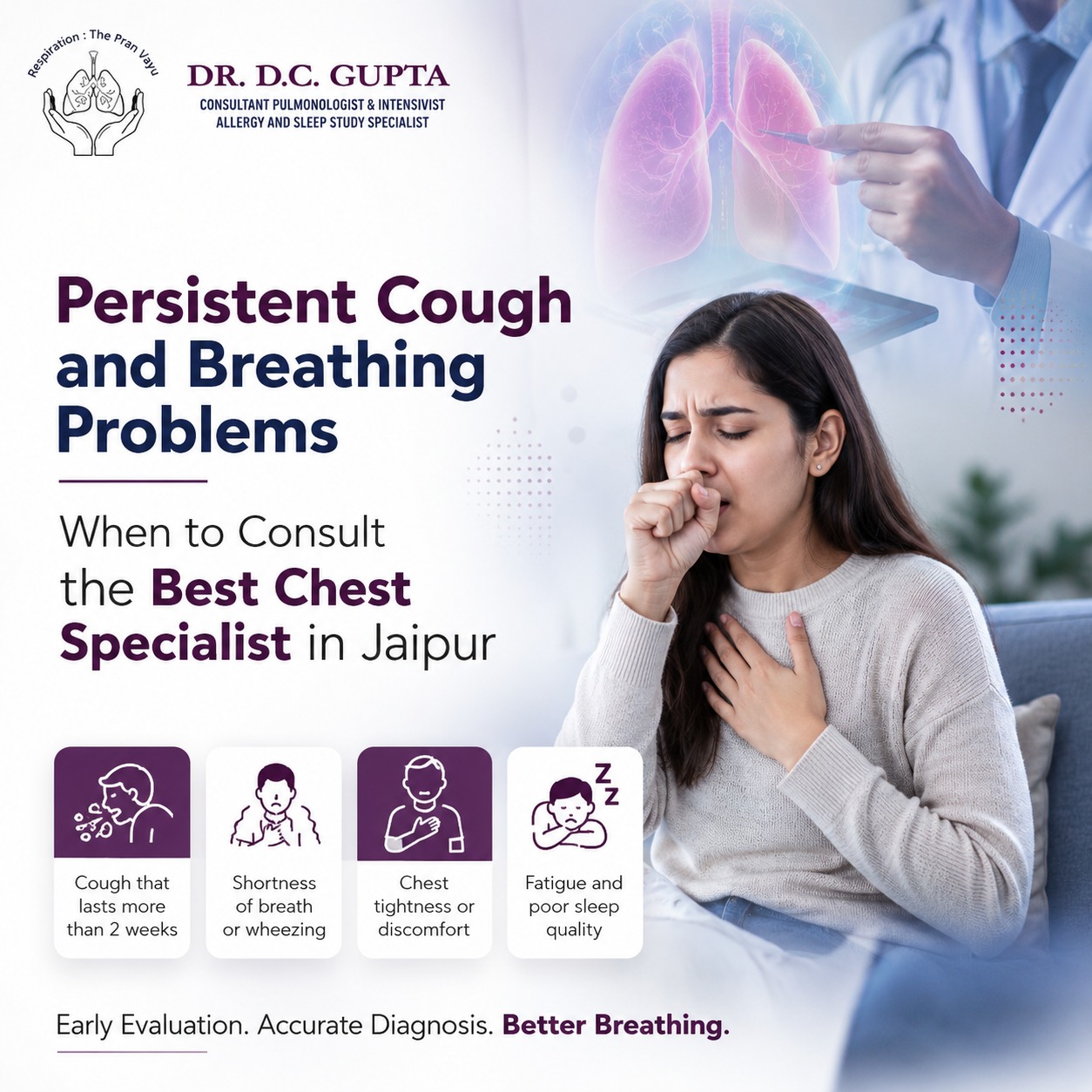 Persistent Cough and Breathing Problems When to Consult the Best Chest Specialist in Jaipur
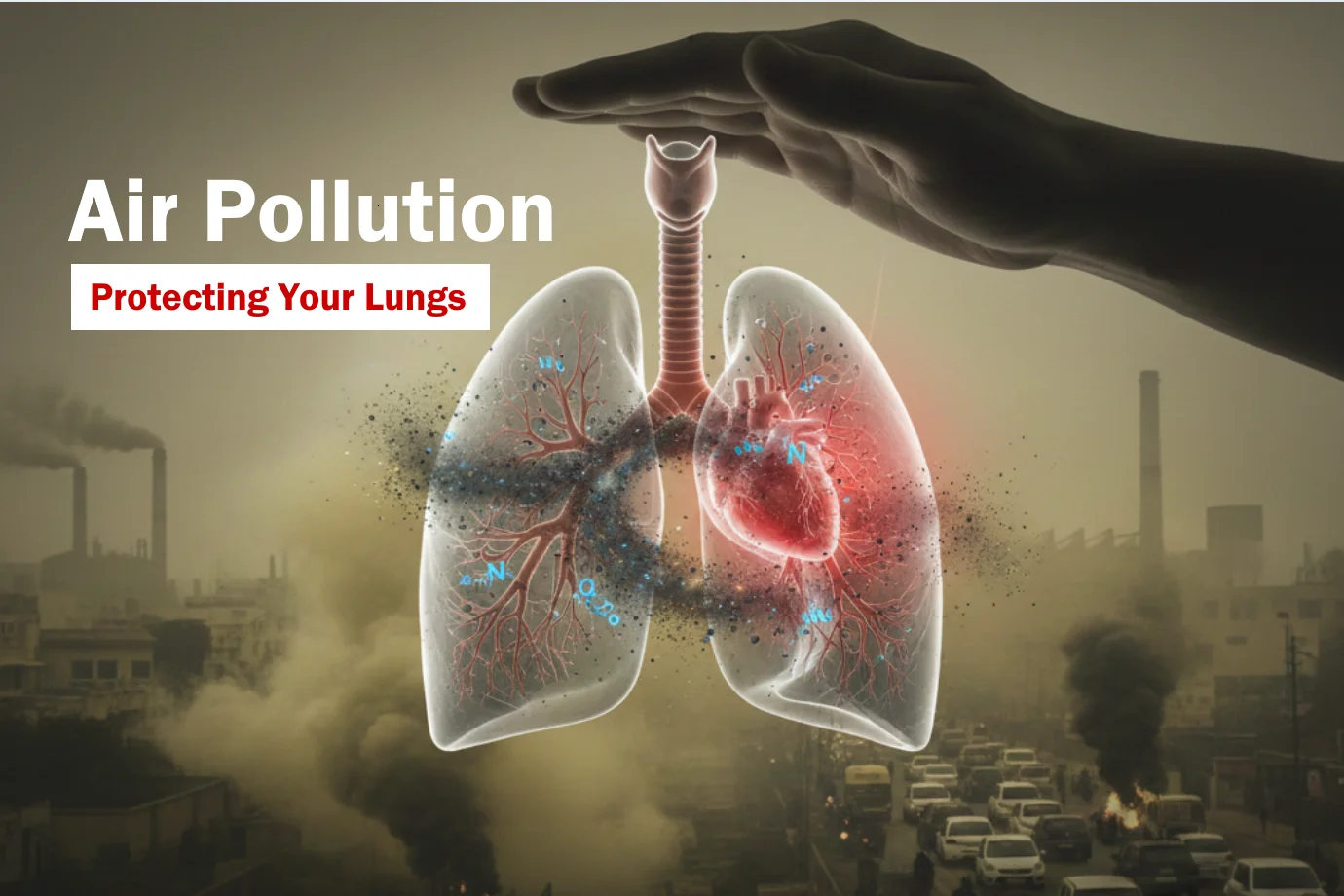 How Air Pollution is Quietly Fueling Pulmonary Hypertension
 Chest Physician & Allergy Specialist in Jaipur – Dr. D.C. Gupta