Welcome to Aaroham Chest & Allergy Center, under the expert care of Dr. D.C. Gupta (Chest Specialist & Allergy Specialist). Our consultation hours are from 05:30 PM to 08:00 PM.
Welcome to Aaroham Chest & Allergy Center, under the expert care of Dr. D.C. Gupta (Chest Specialist & Allergy Specialist). Our consultation hours are from 05:30 PM to 08:00 PM.

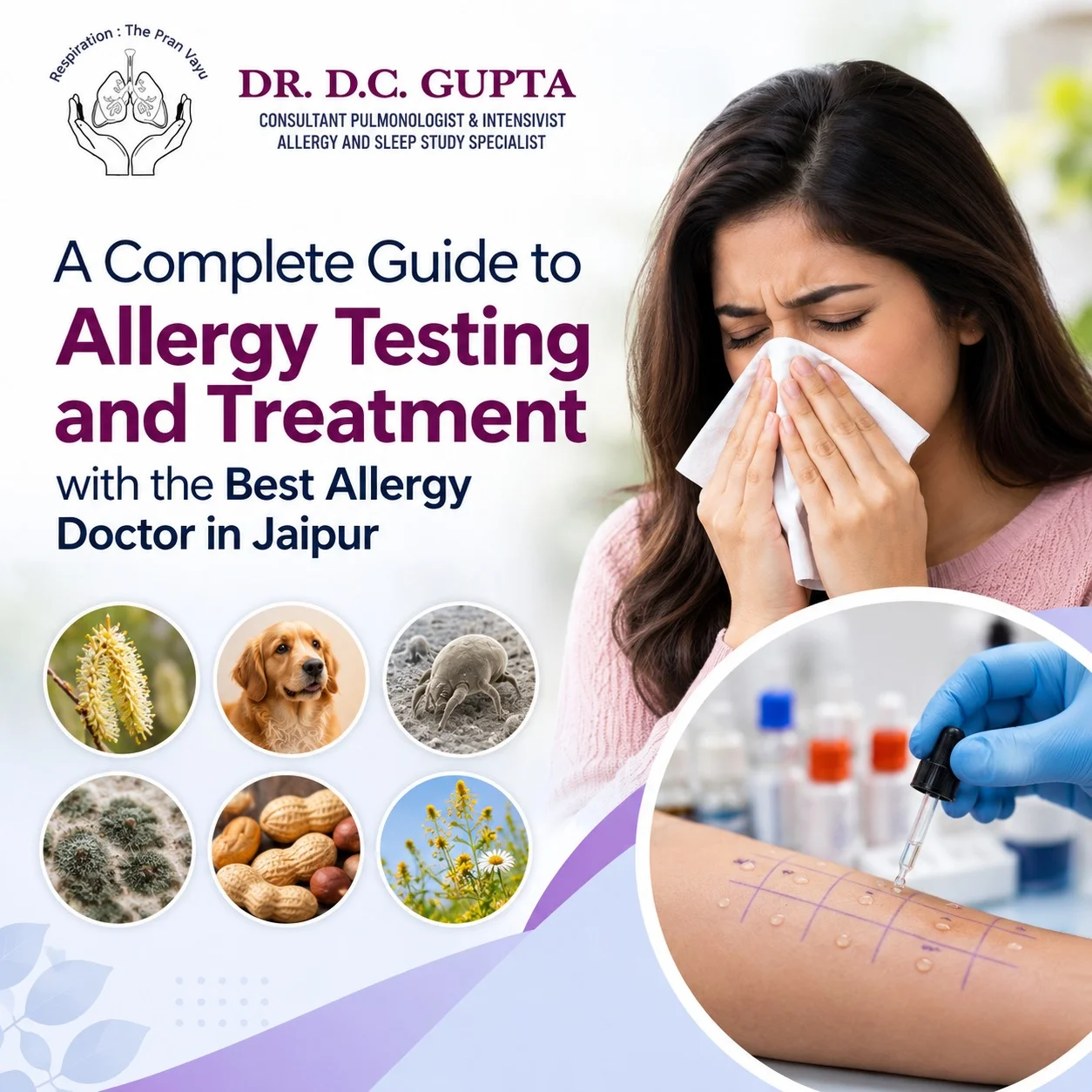
Allergies can lead to constant sneezing, stuffy nose, itchy eyes, skin eruptions, and difficulty in breathing due to which they become obstacles in leading a healthy life. Finding out the cause is a very vital point towards the right treatment. One must consult the Best allergy doctor in Jaipur for their consultation about the symptoms and treatment of the disease.
Dr DC Gupta is linked with respiratory and allergic ailments in Jaipur. Knowing about the diagnostics and treatment will benefit them in making proper choices.
An allergy is defined as an immune response to a substance that is normally harmless to most individuals. The substances that cause allergic reactions are called allergens, and they may affect different parts of the body such as the eyes, nose, skin, lungs, or even the digestive tract. It is recommended to visit the Best allergy doctor in jaipur for possible triggers and treatment.
Common allergens include:
However, there are differences from one individual to another concerning allergies. Knowing the triggers associated with the symptoms could make a difference in determining the appropriate actions to be taken. In case symptoms recur often and make your day-to-day activities difficult, consulting an expert allergy specialist would help.
Allergy symptoms depend on the allergen, the affected body system, and the severity of the reaction.
Common symptoms include:
Any ongoing symptoms that cause disturbance during sleeping or while doing activities need to be evaluated by a healthcare practitioner especially if they are accompanied with symptoms of asthma.
A sudden trouble breathing, swelling in the throat or tongue, fainting, or any indication of an extreme allergic reaction requires immediate medical care.
Some situations that may cause the development of allergy-like symptoms include allergic rhinitis, a lung infection, or any other nasal issue. Treatment of symptoms without pinpointing the probable causes may not lead to the needed relief.
Health care personnel take into consideration the patient’s medical background, symptom presentation, probable causes, and physical evaluation before making further suggestions for investigations.
Right diagnosis of allergies helps in finding the proper allergens, avoid unnecessary restriction of foodstuffs and environment, and develop an individual therapy plan. Test results regarding allergies should never be taken in isolation without considering the clinical symptoms of the patient at hand.
Test selection for allergies is determined by the suspected allergen, the medical history of the individual, and the clinical question to be answered. Not all tests need to be done on everyone.
Skin Prick Test
Skin prick test is a test performed when one needs to diagnose immediate allergic reactions to specific allergens and some types of food. In this case, the extract of the suspected substance is applied on the skin, generally in the area of the arm or back; then, the skin is pricked.
A positive result means sensitization, but it does not mean that the substance can cause symptoms in practice.
Specific IgE Blood Test
The specific IgE blood test measures the antibodies that cause an allergic reaction to certain allergens. This test can be used if skin testing cannot be done or if further information is required.
The results can aid in making a diagnosis when combined with other symptoms and medical history. A positive result does not mean the severity of a reaction.
Patch Testing
Patch testing is usually done for allergic contact dermatitis, which is characterized by skin inflammation, irritation, and rashes due to exposure to some materials.
A small amount of chosen allergens is placed on the skin via patch. The skin is evaluated by the health care professional at specific time intervals.
Other Tests When Clinically Appropriate
Other tests may be performed depending on the symptoms, including lung function test in case of asthma or other specific tests. However, general allergy panels are not suitable for all individuals. The choice of testing must be made by an experienced physician, who will consider the specific case.
Treatment of allergies is intended to decrease the effects, avoid exposure to the triggers responsible for the allergic reaction, and to avoid complications. What treatment option is suitable depends on the kind of allergy, seriousness of symptoms, and past treatment.
Allergen Avoidance and Environmental Control
Lowering one’s exposure to proven triggers will be beneficial for their condition. These actions can involve regularly cleaning sheets, keeping rooms dry, decreasing dust accumulation, and avoiding allergens wherever possible.
The advice on avoidance must be relevant to the allergy rather than too strict.
Antihistamines and Other Appropriate Medicines
These medicines can ease the symptoms like sneezing, itching, and runny nose. Other medications can be prescribed by the healthcare professional for certain symptoms.
The medication choice must consider the patient’s age, medical conditions, other medications, and side effects. It is very important to follow the directions of the healthcare professional.
Nasal Sprays and Symptom Management
An appropriate nasal spray can be prescribed by a physician for allergic rhinitis. An intranasal corticosteroid can also be recommended in case of necessity. The proper use of these agents may affect their efficacy. In case the symptoms persist, the patient needs a reevaluation.
Allergen Immunotherapy
Allergen immunotherapy might be used in certain cases where there are significant allergies that require special therapy, but other types of treatment do not give desired results. It includes a controlled exposure to certain allergens in the form of a therapy regimen.
It can take the form of injections or sublingual preparations, depending on the chosen treatment.
Long-Term Allergy Monitoring
There are instances where some allergies would need to be managed continually. Follow-ups would be useful for evaluating the extent of symptom control, the use of medications, and the existence of any side effects.
Consider professional evaluation if you experience:
A timely assessment can help distinguish allergies from other conditions and identify suitable next steps. Severe allergic reactions require emergency care rather than a routine appointment.
The selection of the right specialist goes beyond just checking the online rating of a clinician. It is important to examine the qualifications, experience, method of diagnosis, and communication skills of a clinician.
When looking for the Best allergy specialist in jaipur, consider the following factors:
These factors can help you make a more informed decision when seeking allergy care in Jaipur.
Dr DC Gupta is associated with chest and allergy care in Jaipur. Patients experiencing recurrent respiratory problems or allergic symptoms may benefit from a clinical assessment to identify the potential causes of their condition.
When searching for the Best allergy doctor in jaipur or the Best allergy specialist in jaipur, it is important to consider accurate diagnosis, appropriate investigations, clear communication, and personalized treatment options.
A consultation can help determine whether symptoms may be related to an allergy, which tests might be appropriate, and what treatment options could be considered. Patients should confirm the available services and consultation arrangements directly with the clinic.
Treatment recommendations should be based on individual symptoms and clinical findings. No single test or treatment is suitable for every patient, so professional evaluation is important for developing an appropriate allergy management plan.
Alongside professional care, practical habits may help reduce exposure to relevant allergens and improve symptom management.
These steps can support an allergy management plan but do not replace professional assessment when symptoms persist or worsen.
Through allergy testing and treatment, it will be easier for patients to understand their recurring symptoms and get an appropriate management plan.
When looking for the Best allergy doctor in jaipur, you need to look into the symptoms that you have, the experience of the doctor in treating those symptoms, and the quality of the follow-up process. DC Gupta is a name associated with chest and allergy care in Jaipur, and those who have recurring symptoms must visit him.
Allergy testing helps investigate whether a person is sensitized to particular allergens, such as pollen, dust mites, or certain foods. A clinician may recommend testing when symptoms and medical history suggest an allergic condition. Results must be interpreted alongside clinical findings to determine whether the suspected allergen is relevant.
Common tests include skin prick testing and specific IgE blood testing for selected suspected allergens. Patch testing may be used to investigate allergic contact dermatitis. The appropriate test depends on the type of symptoms and suspected reaction. Not every patient requires every test, and testing should be guided by a qualified healthcare professional.
Skin prick testing generally causes mild discomfort and may produce temporary itching or localized swelling. Blood testing involves a needle prick and may cause brief discomfort. Patch testing usually involves applying patches to the skin. The exact experience depends on the procedure, and the clinician can explain what to expect before testing.
Preparation depends on the type of test being performed. Some medicines, particularly certain antihistamines, may affect skin test results. Do not stop prescribed medication independently. Ask the testing clinician for specific instructions about medicines, skin products, and any other preparation needed before your appointment.
The outcome depends on the allergy and the individual. Some allergies can be managed effectively through trigger avoidance and medication, while selected patients may benefit from allergen immunotherapy. Treatment does not guarantee a permanent cure, and some allergies require long-term precautions. A clinician can explain realistic expectations for your specific condition.
Consider consulting a specialist if you have persistent sneezing, recurring skin reactions, suspected food allergies, or symptoms that interfere with daily life. Recurrent wheezing or suspected allergy-related asthma also warrants assessment. Severe breathing difficulty or swelling of the throat or tongue requires immediate emergency medical attention.
Look for a qualified clinician with relevant experience, an evidence-based diagnostic approach, and clear communication. The doctor should explain the purpose and limitations of recommended tests and discuss treatment options suited to your symptoms. Follow-up care and a willingness to address your concerns are also important considerations.
A Complete Guide to Allergy Testing and Treatment with the Best Allergy Doctor in Jaipur How to Choose the Best Pulmonologist in Jaipur for Lung and Respiratory Care
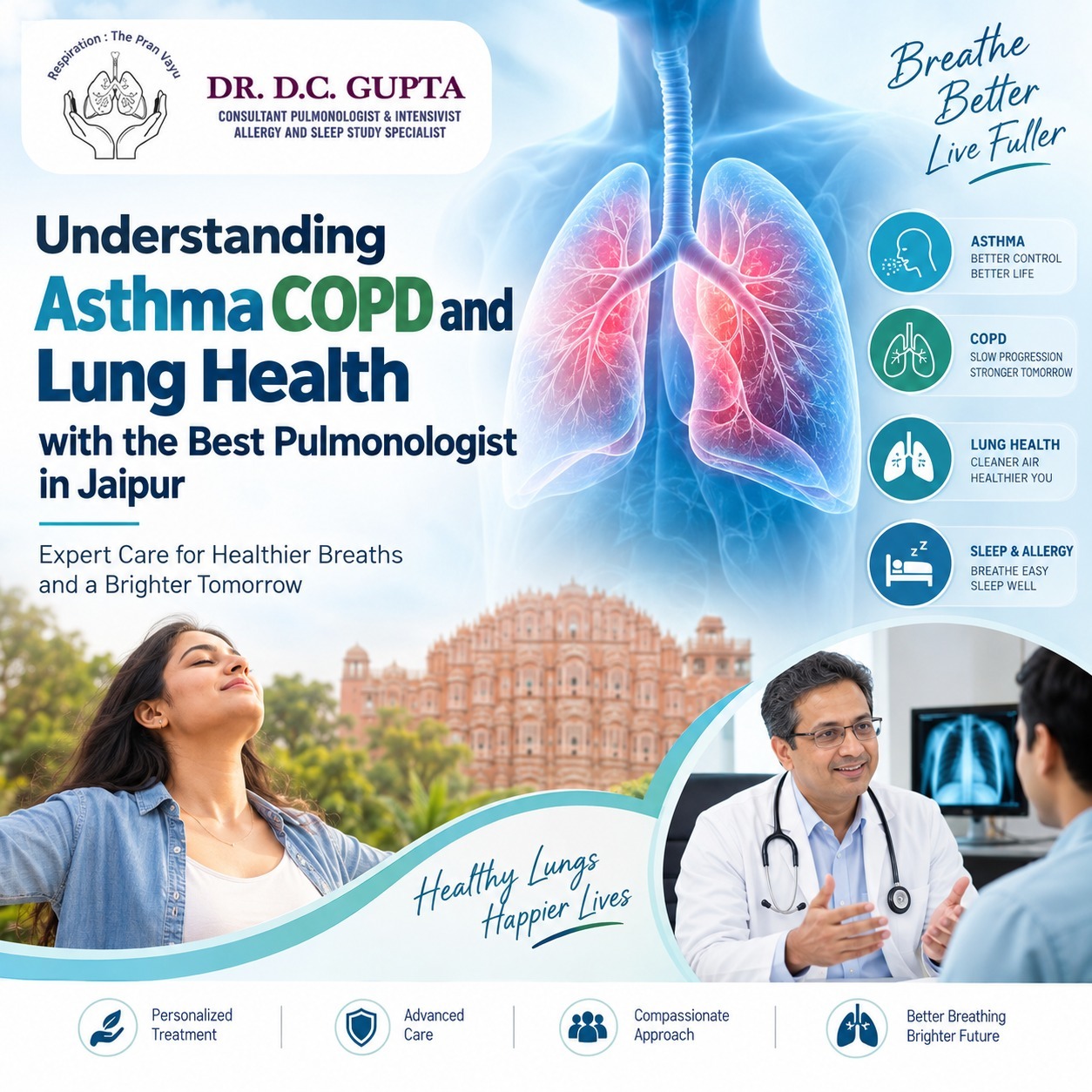 Understanding Asthma COPD and Lung Health with the Best Pulmonologist in Jaipur
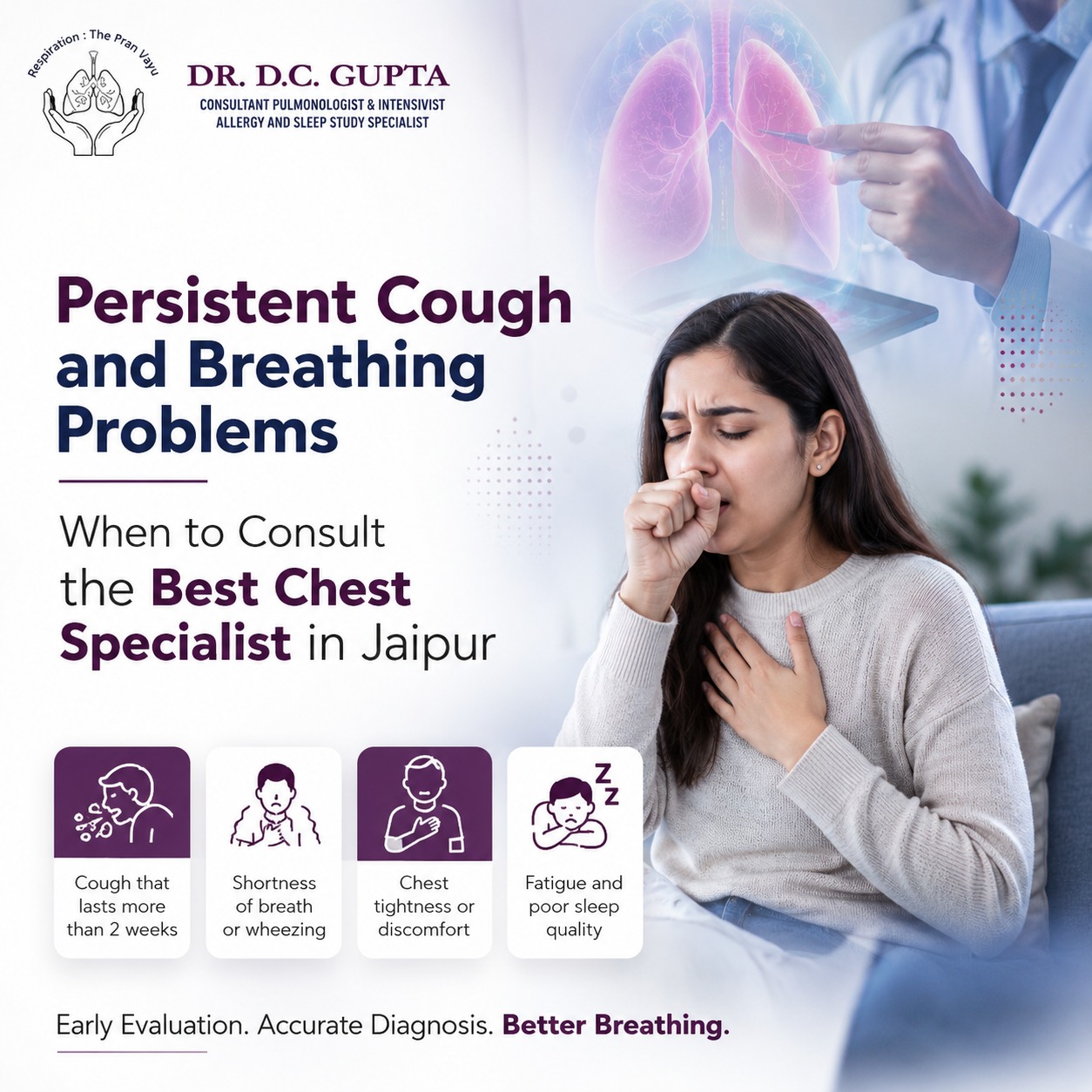 Persistent Cough and Breathing Problems When to Consult the Best Chest Specialist in Jaipur
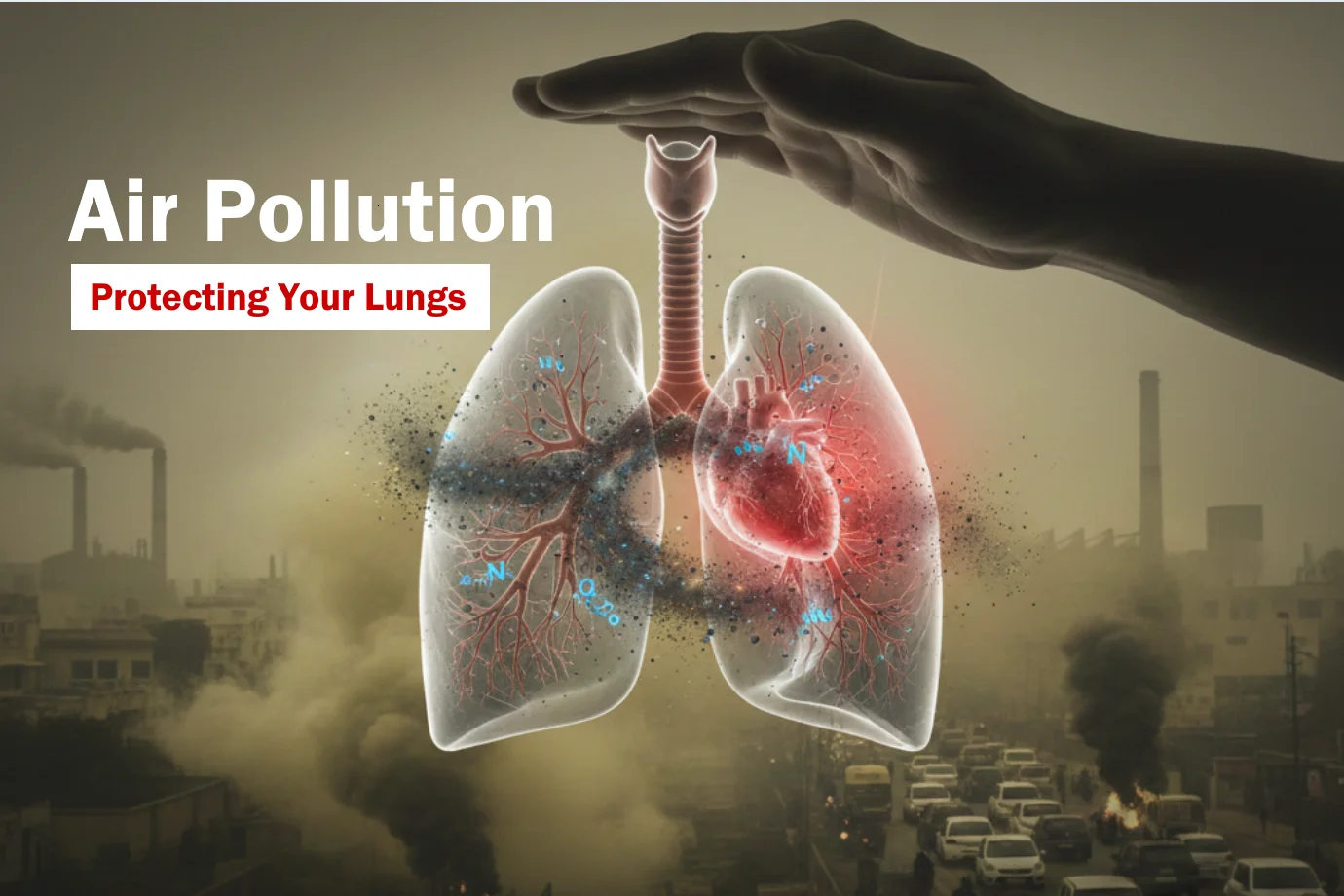 How Air Pollution is Quietly Fueling Pulmonary Hypertension
 Chest Physician & Allergy Specialist in Jaipur – Dr. D.C. Gupta